Gingivitis affects many pregnant women. If left untreated, it can develop into periodontitis . Dental curettage is an effective treatment for this periodontal disease.
This procedure is performed in several sessions under local anesthesia . It involves removing tartar from the periodontal pockets . The roots are also smoothed to prevent future plaque buildup.
Dental curettage controls periodontal disease and reduces inflammation . It also helps prevent tooth loss and heart disease, both of which are associated with poor oral hygiene.
A good oral hygiene routine is crucial. Brushing twice a day and flossing prevents plaque buildup. However, some factors increase the risk of chronic periodontitis .
Pregnancy, smoking, and uncontrolled diabetes are examples of these factors. It is important to maintain good oral health and visit the dentist regularly.
What is dental curettage and when is it performed?
Dental curettage treats periodontitis , a disease that affects the tissues around the teeth. This condition causes a buildup of tartar and bacteria below the gum line. It forms deep periodontal pockets that can lead to inflammation and bleeding.
If left untreated, it can lead to bone and tooth loss. Curettage is crucial to maintaining good oral health.
Definition of dental curettage
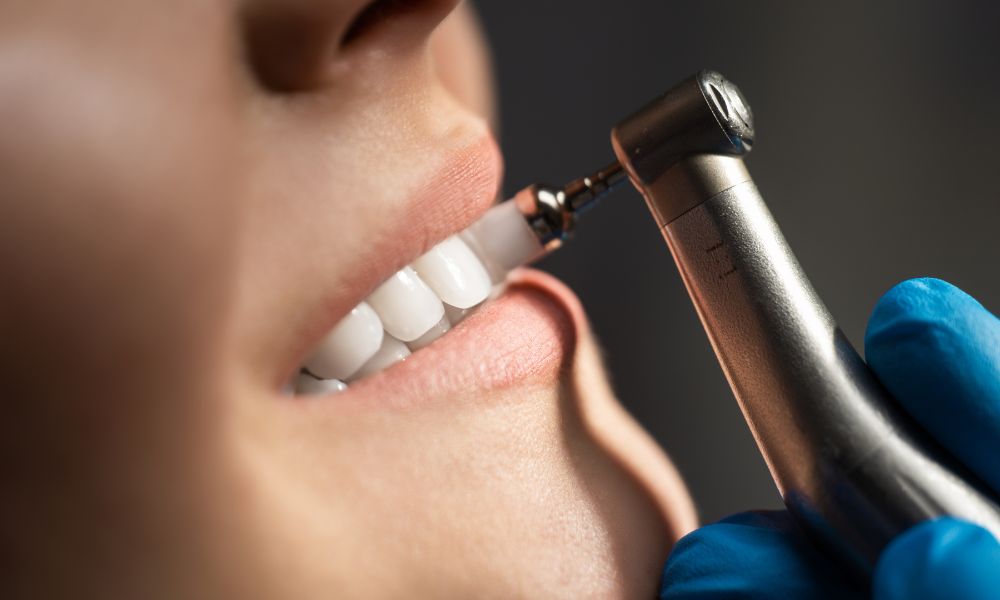
Dental curettage removes tartar and plaque from the gums. Instruments called curettes are used to scrape and smooth the roots of the affected teeth.
Sometimes a diode laser is used. This helps to cauterize the tissues and facilitates healing.
Indications for dental curettage treatment
Curettage is recommended when periodontal disease has progressed beyond mild gingivitis . Some signs that indicate its need are:
- Presence of periodontal pockets deep (greater than 3 mm)
- Significant buildup of tartar and plaque below the gum line
- Bone tissue loss around affected teeth
- Tooth mobility
In severe cases, curettage can be combined with special surgeries. The dentist will determine the appropriate approach based on each individual case.
Symptoms of periodontal disease that require curettage
Periodontal diseases are usually asymptomatic at the beginning. Therefore, it is crucial to carry out regular dental check-ups. Some symptoms that may indicate the need for curettage are:
- red gums, inflamed, tender and bleed easily
- Bad breath persistent and unpleasant taste in the mouth
- Receding gums, making teeth look longer
- Presence of pus between teeth and gums
- Teeth that are loose or have moved from their original position
If you notice these symptoms, consult your dentist. A complete examination will determine the degree of periodontal involvement and the need for curettage.
| Treatment | Indications |
|---|---|
| Dental Cleaning | Prevention and removal of tartar and superficial plaque |
| Dental curettage | Treatment of periodontitis with deep pockets and bone loss |
Good oral hygiene and a balanced diet are key to preventing dental curettage. Avoid tobacco and alcohol. If you already have periodontal disease, this procedure can be crucial to your oral health.
How is the dental curettage procedure performed?
Dental curettage removes plaque and tartar from the periodontal tissues . It focuses on deep areas such as gingival pockets and tooth roots. For the patient's comfort, local anesthesia is applied before the treatment.
Preparation for dental curettage
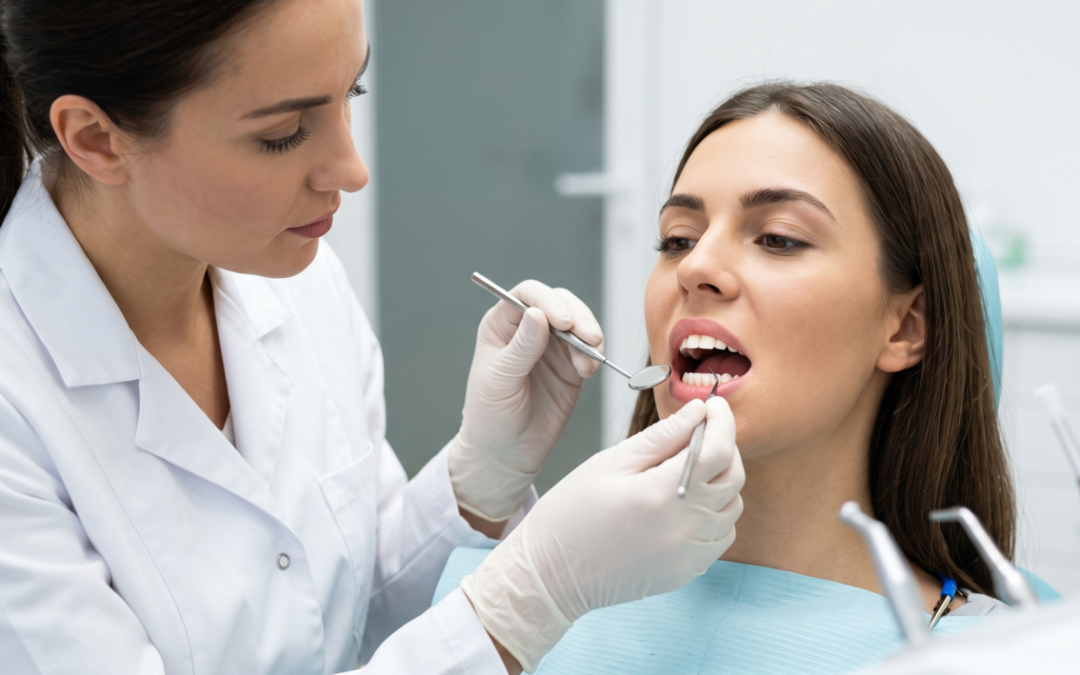
The dentist evaluates the patient's oral health before curettage. She examines gums, teeth, and supporting structures. Sometimes x-rays are taken to better see the periodontal condition.
If curettage is required, local anesthesia is applied to the area being treated. This ensures the patient is comfortable during the procedure.
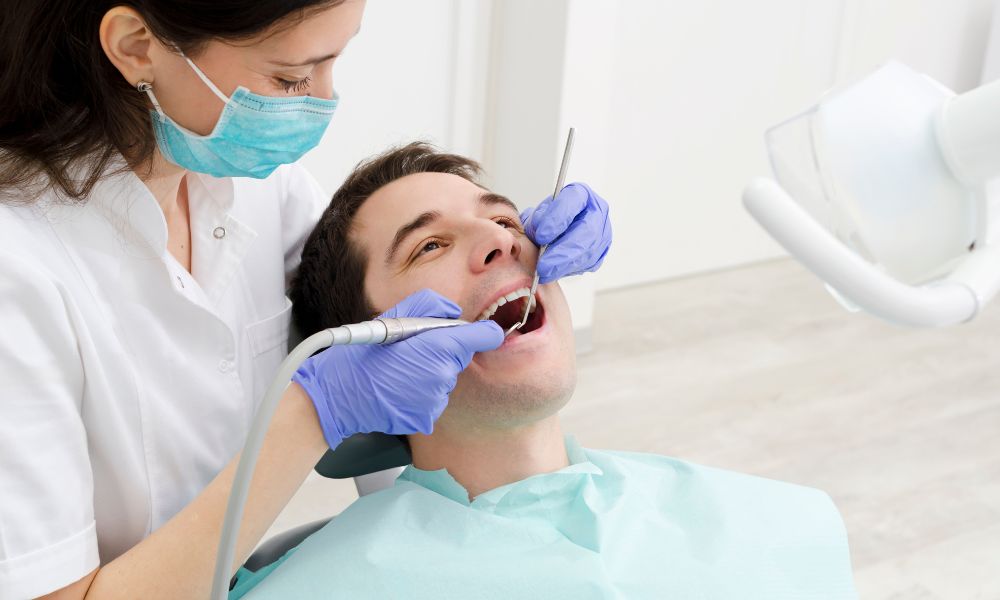
How the Dental Curettage Procedure is Performed
How the Dental Curettage Procedure is Performed
Steps of the scaling and root planing procedure
Dental curettage has two phases: scaling and root planing . In scaling, special instruments are used to remove plaque and tartar from the roots.
Next, during the root planing process, the surfaces of the roots are smoothed. This prevents bacteria from accumulating in the future. The teeth are also polished to remove stains.
Duration and frequency of curettage sessions
The duration of curettage depends on the severity of the periodontal disease. In mild cases, it can be done in one session. For advanced cases, it is divided into several sessions.
| Degree of periodontal disease | Number of recommended sessions |
|---|---|
| Marginal | 1-2 sessions |
| Moderate | 2-3 sessions |
| Advanced | 3-4 sessions or more |
After curettage, it is important to have periodic check-ups with the dentist. These appointments evaluate periodontal health and maintain the results. They are scheduled every 4 to 6 months.
Good oral hygiene and regular dental visits prevent the recurrence of periodontal disease. These practices are key to maintaining a healthy mouth in the long term.
Recovery and care after dental curettage
After a dental curettage, it's normal to experience sensitivity and swelling for a day or two. To relieve discomfort, avoid hot foods and take anti-inflammatory medication as prescribed. Gently brush your teeth for two minutes after eating.
During the first week, rinse with chlorhexidine before bed. Use interdental brushes, dental floss, and mouthwash to control plaque. A water flosser can be helpful in your daily routine.
Take care of your diet by reducing sugars and carbohydrates to avoid bacterial plaque. Periodic check-ups with the dentist are essential to control periodontitis after curettage.
At the Almara Clinic in Madrid, periodontics experts offer scaling and root planing treatments and detailed advice. More than 50% of adults have gum disease. Scaling and root planing is the basic treatment for periodontal disease.
FAQ
What is dental curettage?
Dental curettage is a dental procedure to treat gum problems. It consists of scraping and polishing the dental roots and periodontal pockets. This process removes tartar, bacteria, and inflamed tissue under the gums.
When is it necessary to perform dental curettage?
Dental curettage is indicated when there is periodontitis with tartar accumulation and deep periodontal pockets. It is also performed when there is loss of bone tissue. In cases of mild gingivitis, a professional cleaning is usually sufficient.
What are the symptoms that may indicate the need for dental curettage?
Red, swollen and bleeding gums may indicate the need for dental curettage. Other symptoms include visible tartar, persistent bad breath and tooth mobility. The leakage of pus between teeth and gums is also a warning sign.
How is the dental curettage procedure performed?
Dental curettage is performed under local anesthesia. The dentist scrapes the tooth roots with curettes or ultrasonic devices. The tooth surfaces are then smoothed and polished. Treatment may require several sessions, working in quadrants.
What care should be taken after dental curettage?
After curettage, it is normal to have sensitivity and slight bleeding in the gums. It is recommended to use a soft brush and rinse with chlorhexidine. Applying chlorhexidine gel to the treated area helps. Eating soft and warm foods reduces discomfort in the first days.
How many sessions are needed to complete the dental curettage treatment?
The number of sessions depends on the severity of the periodontal disease. In severe cases, with deep pockets, several sessions may be required. Treatment is performed in quadrants at each appointment.
Is maintenance necessary after dental curettage?
Yes, periodic maintenance appointments are required after dental curettage. These visits are usually every 4 or 6 months, as indicated by the dentist. During these appointments, periodontal health is evaluated and a professional cleaning is performed. This helps remove new buildup of plaque and tartar.